Spin Again Sunday: Allan Sherman’s Camp Granada Game, 1965

I’d like to wish a happy Chanukah to everyone who is celebrating it. I’m part of an interfaith family; my husband gives me presents at Christmas, and I give him presents for Chanukah. Last night, he opened this vintage board game.

My husband’s a big fan of Allan Sherman’s song parodies, so as soon I learned that this game existed I knew I would get it for him someday. It’s based on Sherman’s biggest hit, “Hello Muddah, Hello Fadduh,” and, like the song, it explores the perils of summer camp.

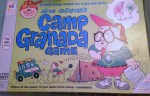
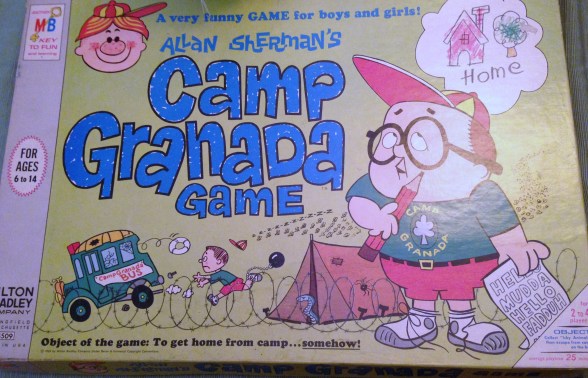
This Week’s Game: Allan Sherman’s Camp Granada Game, 1965, Milton Bradley.

The Box: Large and lime green, the box features cute cartoon illustrations and crayon-style lettering.

The Board: The board introduces you to all of Camp Granada’s “attractions,” from Cruddy Creek to Quicksand Beach to the Bawl Park.

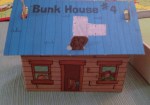
Each player sets up a bunk house near the board.

The Object: “To be the first player to collect 3 icky animals and go home by driving the bus out the exit gate.”

Game Play: For once, I have someone to help me explain:

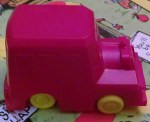
Players set up the game by placing an icky animal on each red space. You start the game with 3 icky animal cards. Bus cards direct you where to go on the board, and you collect whatever icky animal is waiting for you. You can only drive the bus home after you’ve collected the specific animals on your cards. You hide your cards and your animals in your bunk house, so other players don’t know what you’re looking for. In certain situations, players can steal each other’s animals. If the bus’ radiator falls out during a player’s turn, that turn is over.

Fatal Flaw: My daughter loved the sticky rubber animals in this game, and she couldn’t wait play. We had fun, but the bus is a huge pain—it’s almost impossible to keep the radiator from popping out every two seconds. The manufacturers knew this was a problem: The rules include “Special Advice from Allan Sherman” about keeping the wheels straight. The rules also allow for beginning players to have 2 or 3 “free” breakdowns in each turn.

My Thoughts: This is a clever game with lots of cute details. It’s too bad the bus doesn’t work well, but we found ways to work around the problem.

Other Spin Again Sunday posts you might enjoy:

Barbie Miss Lively Livin’, 1970

Addams Family Card Game, 1965

Dr. Kildare Game, 1962

Spin Again Sunday: The Bride Game, 1971
The Game: The Bride Game, “the exciting game of planning a wedding.”
Copyright Date: 1971.

Object: “To be the first girl to get her complete matching wedding party along with the necessary accessories for the wedding ceremony.”

Recommended For: “Girls 8 to 14.” I don’t think they really needed to specify girls.

The Box: What girl could resist that full-length portrait of wholesome bridehood? Well, lots of girls probably could and did, but it would have snared me.

The box photo immediately called Tricia Nixon to my mind.  That might have been what Selchow & Righter was going for—Tricia Nixon did marry in 1971. Tricia’s gown was downright sexy, however, compared to the prim one our box bride wears.

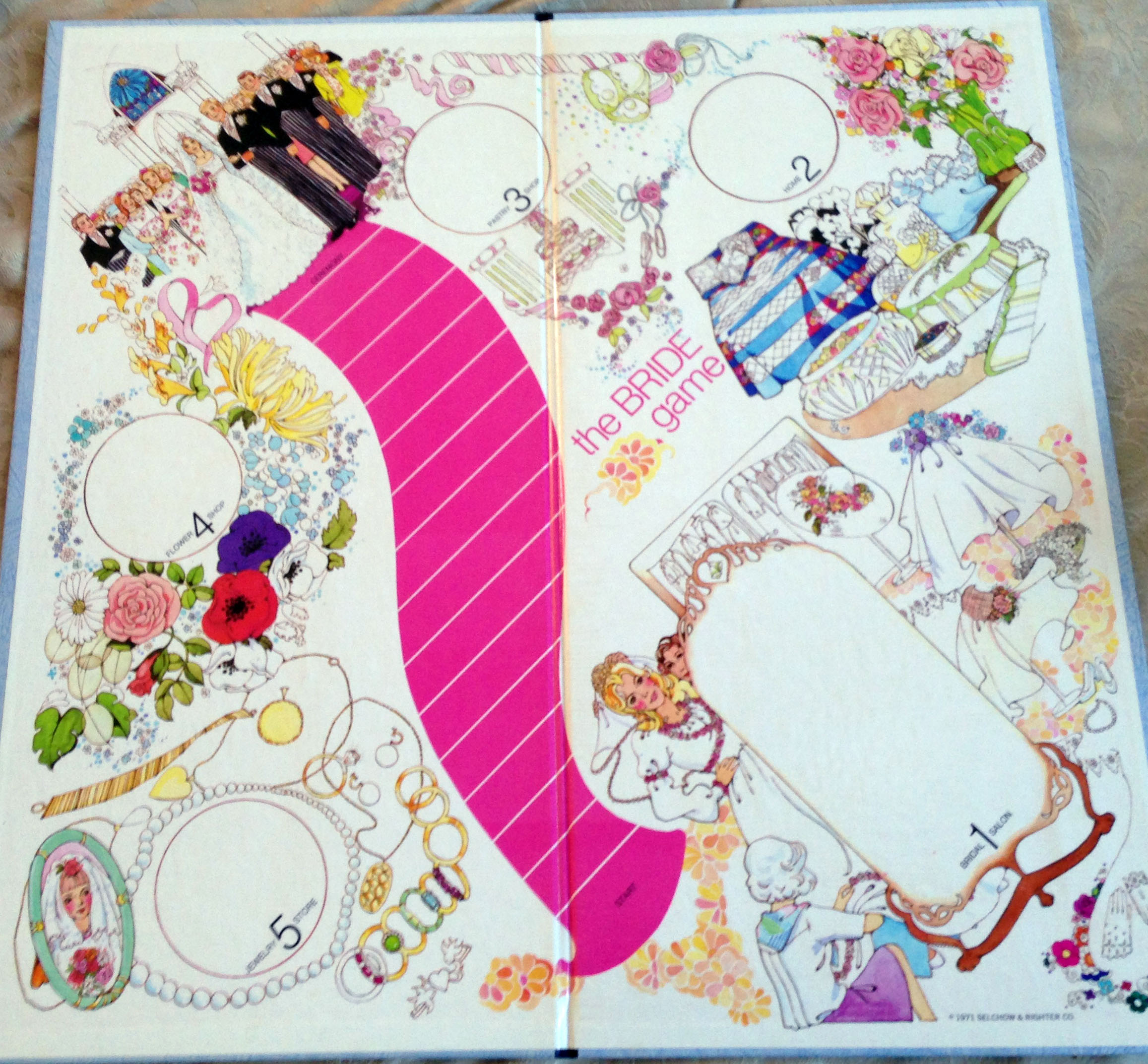
The Board: In the early 1970s, Selchow & Righter (best known for Parcheesi and Scrabble) tried to carve out a niche in girls’ games. In this series, we’ve seen another of their offerings—the Emily Post Popularity Game. Like that game’s board, this one features misty pastel graphics.

Game Pieces: Regular colored pegs, wooden rather than plastic. The die is unusual; it has a natural wooden finish and sports numerals instead of dots.

Game Play: Before she can march down the aisle, each player must collect cards representing a bride, a groom, and honor attendants ALL IN THE SAME STYLE. Yes, the instructions give that last part in all caps. You wouldn’t want to commit a disastrous faux pas by having a groom dressed in “Daytime Formal” style and a Maid of Honor dressed for a “Semi-Formal” wedding, would you?

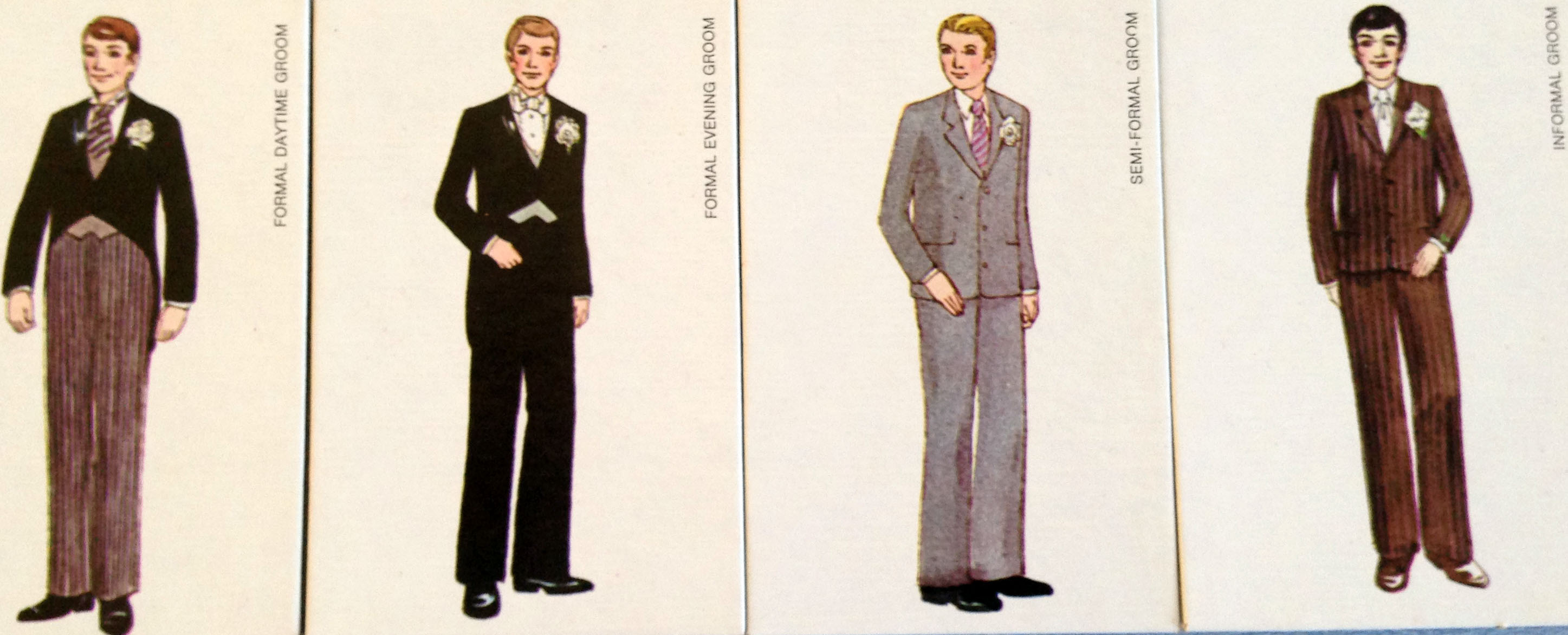
The grooms

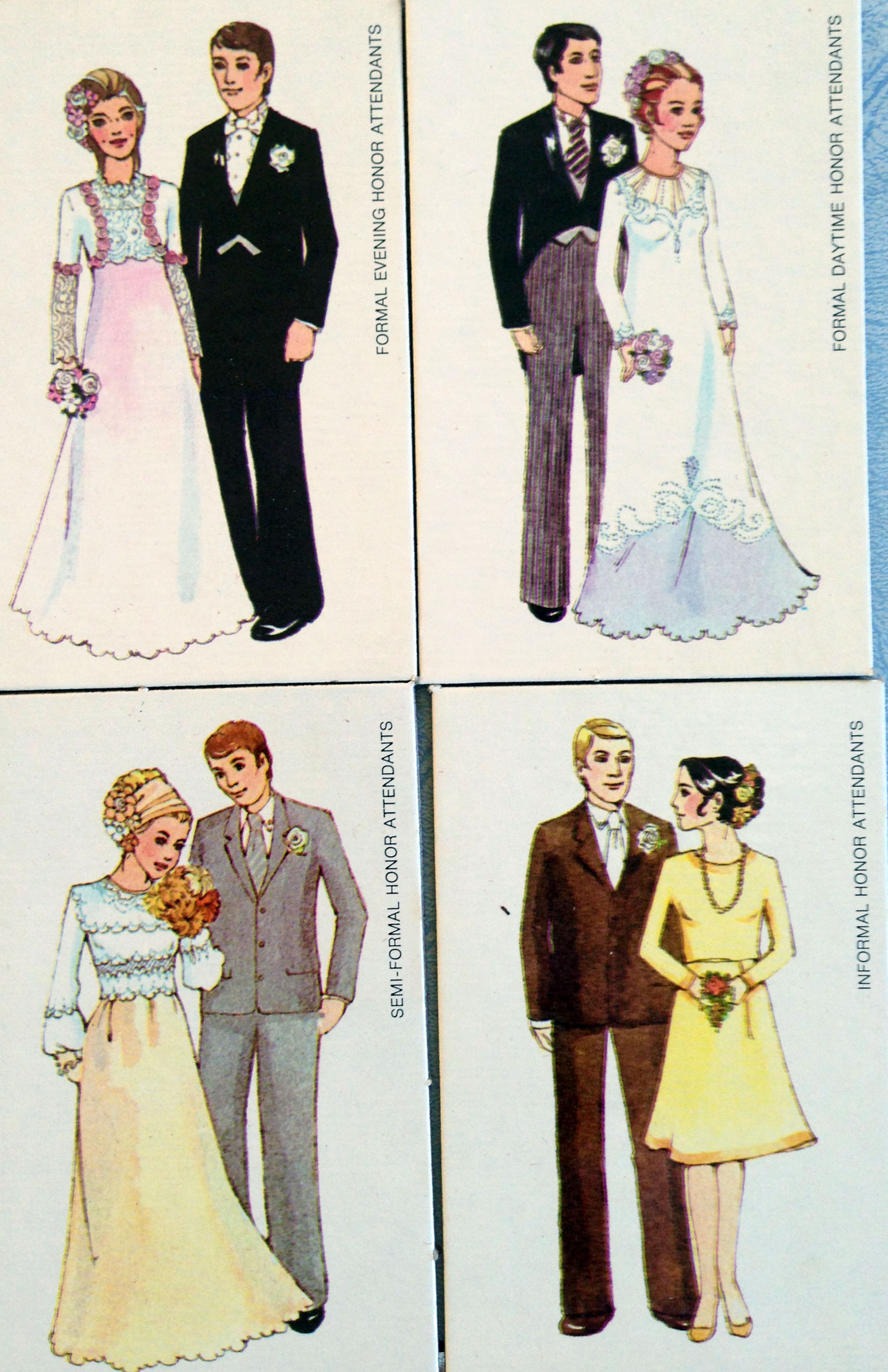
The attendants

The brides. So, readers, what apparel would you pick?

Some of the other game cards. I’m glad the snazzy lingerie is something new, rather than something old or, worse, borrowed.

Each player must also collect a wedding cake card, a bridal bouquet card, and a wedding ring card, as well as cards representing something old, something new, something borrowed, and something blue.

While collecting these cards, players circle the board and visit the pastry shop, flower shop, jewelry store, and bridal salon. When all the cards are in hand, players can start marching toward the altar.

Today’s Bonus Feature: When it comes to bride-related toys, this game doesn’t live up to the Bonnie Bride doll, who could actually toss her bouquet. You know it was a quality product, since it was “sold only at food markets.”

Spin Again Sunday: Barbie Miss Lively Livin’ (1970)

In this week’s edition of Spin Again Sunday, we enter the mod world of Barbie, circa 1970, through the Miss Lively Livin’ Game. (This world was so exciting that Barbie lost the ability to enunciate her Gs.)

Copyright Date: 1970.

Recommended Ages: 8-12.

Game Box: Graphics in groovy shades of hot pink, orange, and purple add pizzazz to the box. The main photos shows tween girls with unfortunate bangs playing the game while stretched out on a shag-carpeted floor.

Game Board: This rainbow-rific board doubles as an advertising vehicle for Mattel; it shows many dolls and fashions available at the time.

Game Pieces: Photographs of Barbie, her friends Christie and P.J., and her cousin Francie.

Object: To succeed in having five different kinds of fun.

That first one gave me such trouble in high school.

Game Play: Traveling through Barbie’s world, girls attend school, shop at the Unique Boutique, go on dates, and spend time “doin’ things.” They wear metal bracelets and try to earn charms representing each kind of fun.

The charms

The first person to collect two of each charm proceeds to the pageant area. Fix your hair, grab your boyfriend, and receive your crown, Miss Lively Livin’! (The game includes a paper crown, which the winner has the prerogative of wearing throughout the subsequent game.)

My Thoughts: I like this game now because it includes photos of great mod Barbie fashions.

I’m sure I would’ve loved it as a child, too–the bracelets and crown are such a nice girly touch.

Bonus Feature: Here’s a 1970 commercial for the ultra-flexible Living Barbie. The Brady Bunch‘s Maureen McCormick was also flexible, it appears.

Though the doll was called Living Barbie, she had a Lively Livin’ House, which the Miss Lively Livin’ game board mentions.

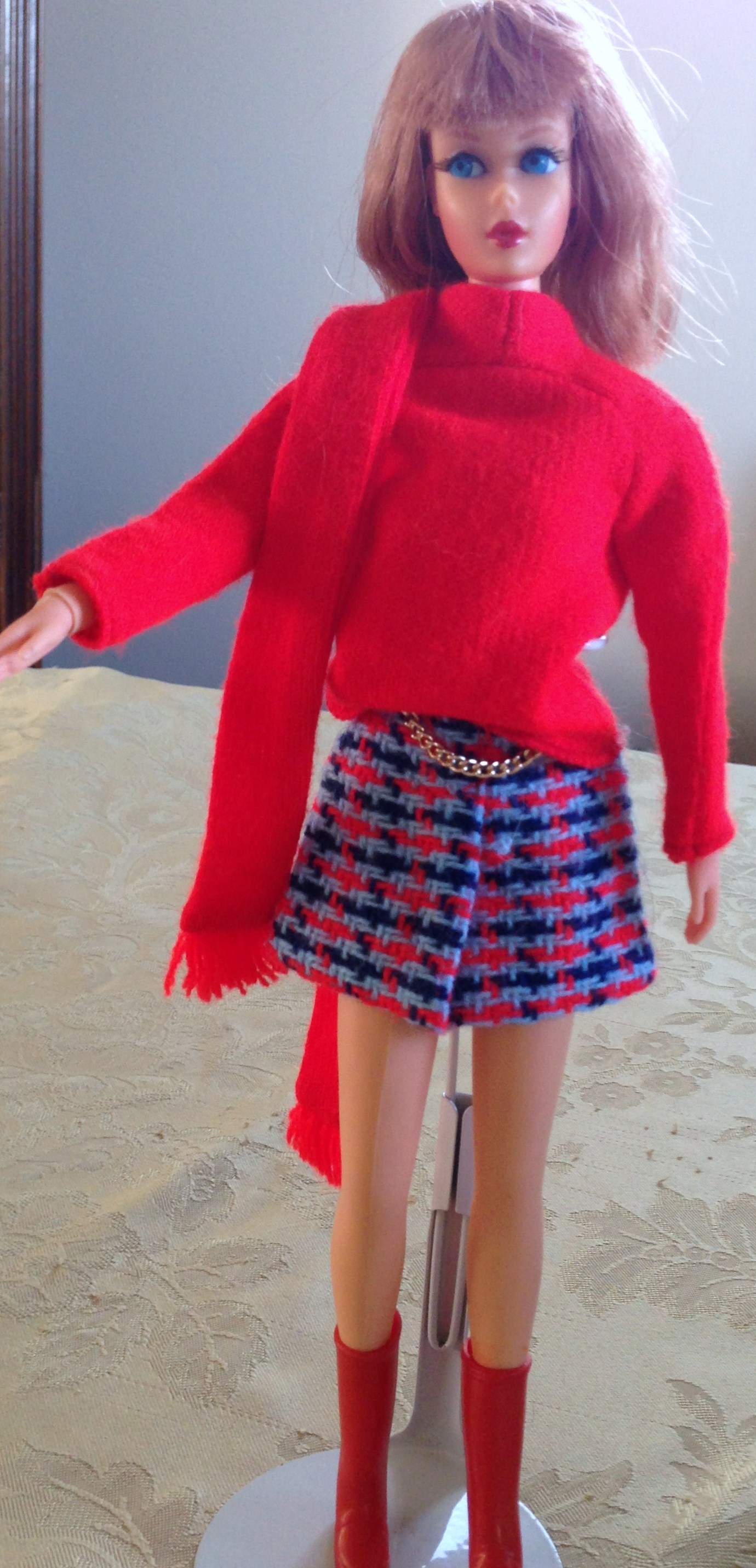
A Living Barbie from my collection. She’s wearing Super Scarf, one of the outfits shown on the game board. I love the wool miniskirt, chain belt, and boots–it reminds me of the fashions Mary Tyler Moore wore in her show’s first season.

Spin Again Sunday: Addams Family Card Game

For this pre-Halloween edition of my series on vintage games, I bring you an altogether ooky diversion.

This Week’s Game: Addams Family Card Game, 1965

Recommended Ages: 7 to 15.

Game Play: While I usually focus on board games, this is a simple card game. Cards show pictures of Addams Family characters. Gomez, Morticia, and the children each appear on 11 cards. Six wild cards show Lurch and Uncle Fester. The game proceeds like the game War. The player who amasses all the cards wins.

As the instruction card puts it, “Each character has the power to TAKE another. Gomez TAKES Morticia…Morticia TAKES the Children…the Children TAKE Gomez. The Lurch and Uncle Fester (Wild) cards are most powerful; they TAKE any of the other cards.”

It’s certainly fitting that Gomez TAKES Morticia. Was there ever a more passionate married couple in the world of classic TV?

Spin Again Sunday: Dr. Kildare Game

Dr. Kildare Game, Ideal, 1962

It’s time to take two aspirin and enjoy the latest installment in my series about vintage board games.

Today’s Game: Dr. Kildare

Copyright Date: 1962

Mystifying Subtitle: “Medical Game for the Young.” I wonder why they felt the need to specify that it was for the young.

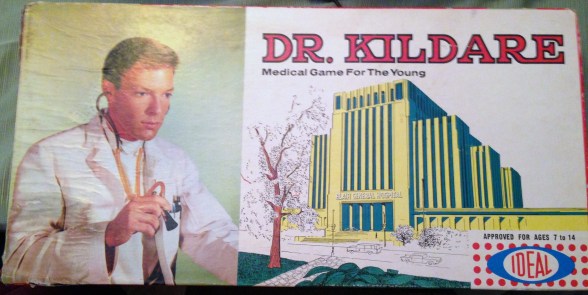
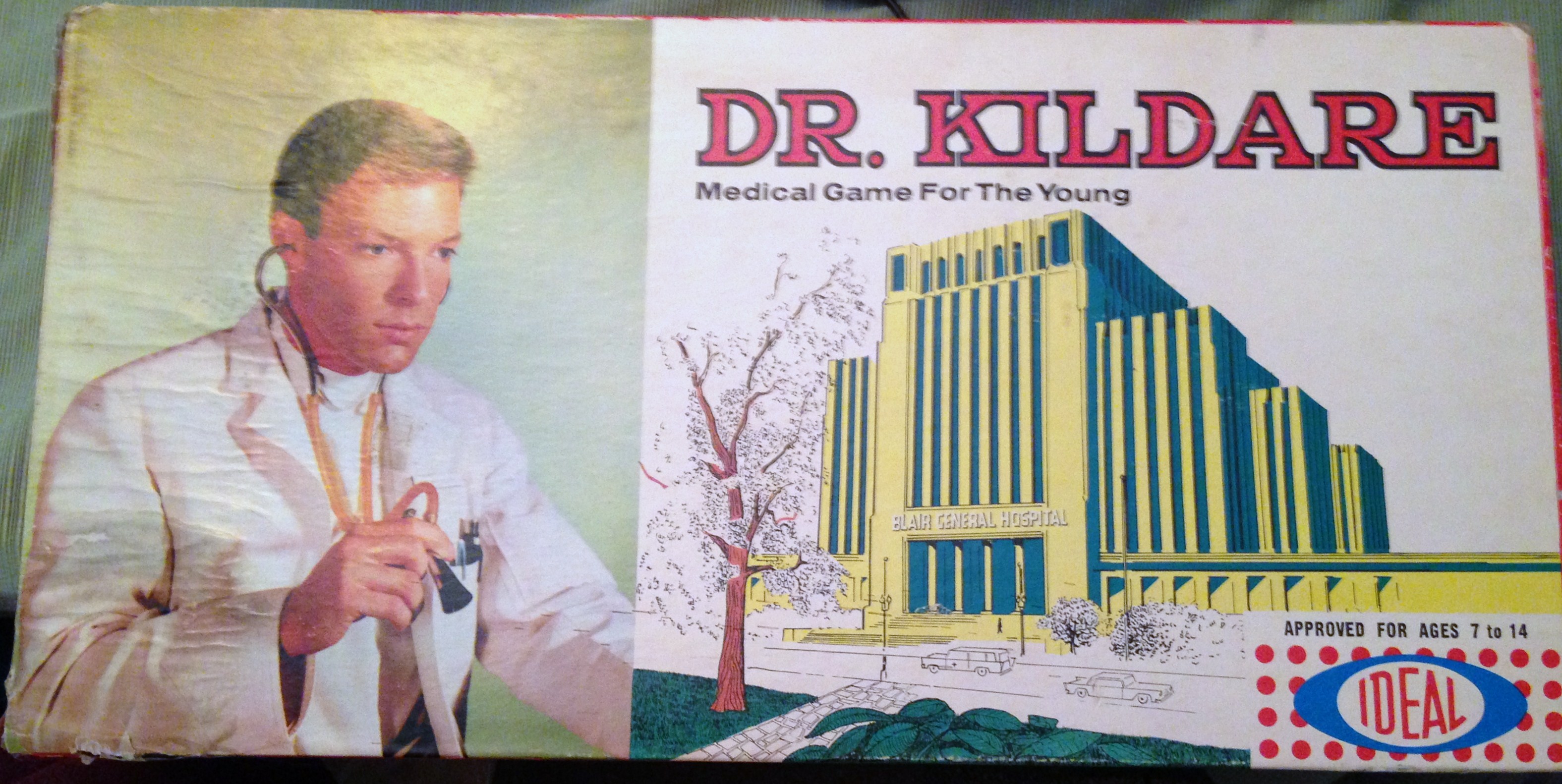
Game Box: I’m sure the draw for potential buyers was the large photo of dreamy Richard Chamberlain as Dr. Kildare, who is staring intently ahead and listening to an invisible person’s heartbeat.

The Analyzer

Recommend Ages: 7 to 14. Actually, it says “Approved for ages 7 to 14.” That’s a strangely officious way to put it.

Game Board: The board offers a cute representation of a hospital, with green corridors, patient rooms, an operating room, and more. The patients all seem happy, even the one traction.

Game Pieces: Dr. Kildare’s dreamy face again.

Game Play: Pretty cool. Players make their “rounds” through the hospital and diagnose their patients with the help of the “Analyzer.”  Patients’ conditions are written in code on diagnosis cards. I decoded two of them just for fun—nose bleed and sprained back.

Nice Touch: The instructions say that you can play the game by yourself.  I used to play board games against myself all the time—my brother was not really a board-game guy.

My Thoughts: I’ve never actually seen an episode of Dr. Kildare. It was a bit before my time. I saw The Thorn Birds at an impressionable age, though, so I can appreciate Richard Chamberlain’s charms. The game looks pretty entertaining—what kid doesn’t love decoding messages?

Another photo of Dr. McDreamy from the box insert. Okay, we get it, he’s handsome!

If you enjoyed this post, read the whole Spin Again Sunday series!

It Takes a (Fisher Price Play Family) Village

The gift I’d wished the hardest for in 1974–the Fisher Price Play Family Village.

My parents captured many Christmas morning photographs when I was young, but this one from 1974 is a little unusual. Most of our Christmas photos are candids taken in the midst of our present-opening frenzy. In this one, I’m pausing to pose in front of a half-unwrapped gift. The smile on my face shows how happy I was to uncover that gift–the Fisher Price Play Family Village.

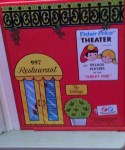
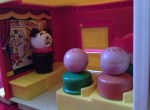
Fisher Price began producing the Village in 1973. At age 6, I longed for it as intensely as I would long for the Barbie Star Traveler a few years later. I’d loved Play Family toys since I was a toddler, and the Village was the ultimate play set, with a fire station, police station, dentist’s office, apartment, restaurant, theater, garage, and more.

I’ve been wanting to acquire a Village for years, but finding a complete one at a price I was willing to pay proved difficult. Finally, about a month ago, I was able to add this toy to my collection.

I wanted to share a few pictures of it, simply because its colorful lithography and smiling people make me happy. As much as I enjoy nostalgia, I try not to fall into the trap of pining for a simpler time. In 1974, our country was dealing with Watergate, continued involvement in Vietnam, and an oil embargo–things were anything but simple. But a toy like Play Family Village transports me to a time when my parents still stood between me and the outside world’s troubles, and daily life seemed almost as uncomplicated as a walk down Play Family Main Street.

Spin Again Sunday: Patty Duke Game

Would a girl lose her mind playing this game about cousins who are two of a kind? Probably not, but she might have fun.

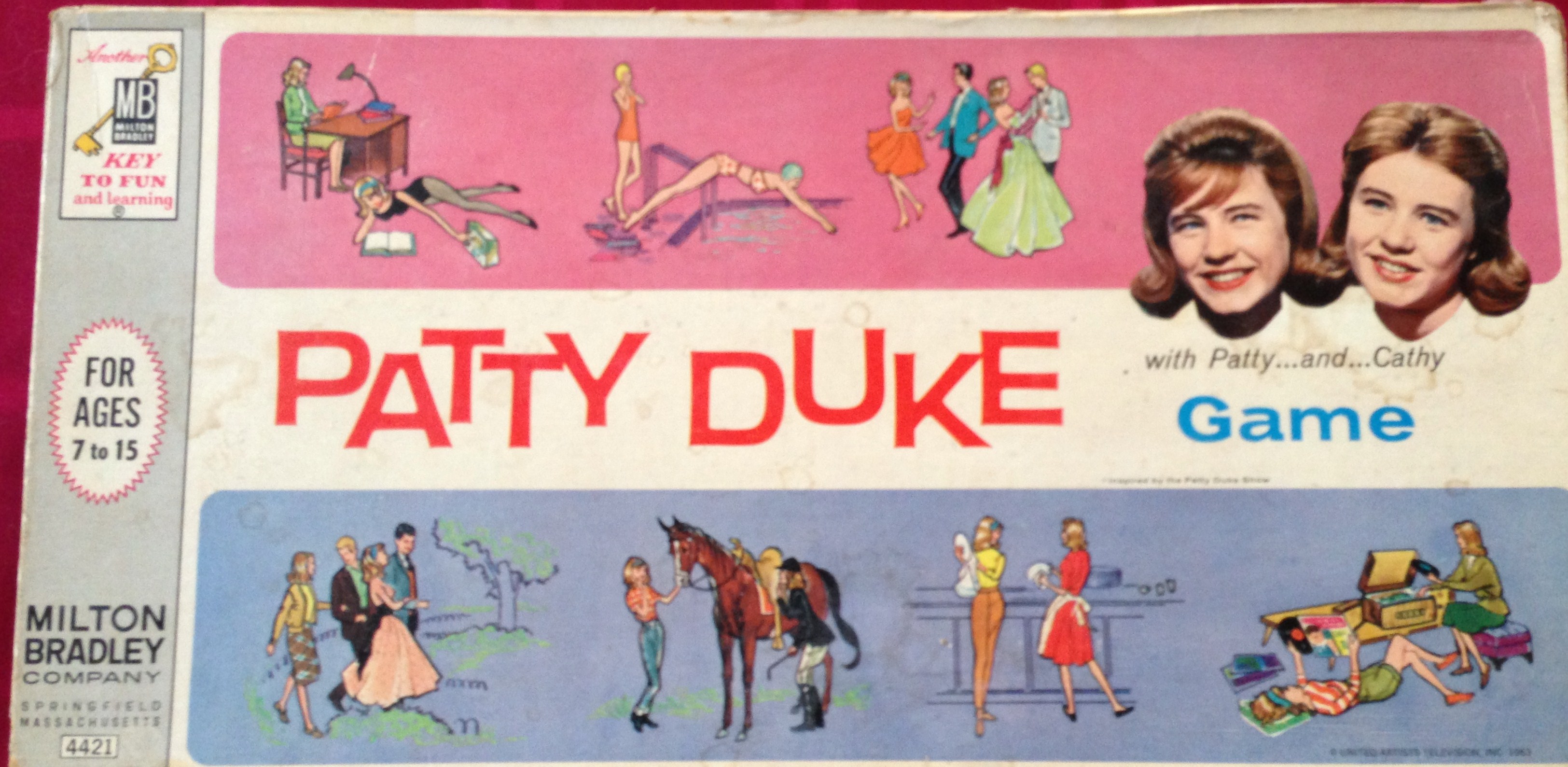
Today’s Game: Patty Duke Game (Tiny print on the box reads, “Inspired by the Patty Duke Show.” That’s pretty obvious—the game revolves around the show’s characters, Patty and Cathy. I wonder why they didn’t call it the Patty Duke Show Game?)

Copyright Date: 1964.

Recommended Ages: 7 to 15.

Game Box: Cute, with its pink-and-blue color scheme and floating Patty and Cathy heads.

Game Pieces: Instead of regular plastic pieces, this game uses red, blue, yellow, and green teenagers, two girls and two boys. Nice!

Game Board: Like the game box, the board features cartoon pictures of Patty and Cathy doing typical 1960s teenage activities—dancing, watching TV, dating, studying, helping with chores. Can you tell which girl is Patty and which one is Cathy? In case you forgot, their personalities are ever-so-slightly different.

Cathy hesitates. Patty wears a two-piece swimsuit and dives right in.

Cathy is actually studying. The radio is distracting Patty (who is wearing a leotard for no apparent reason).

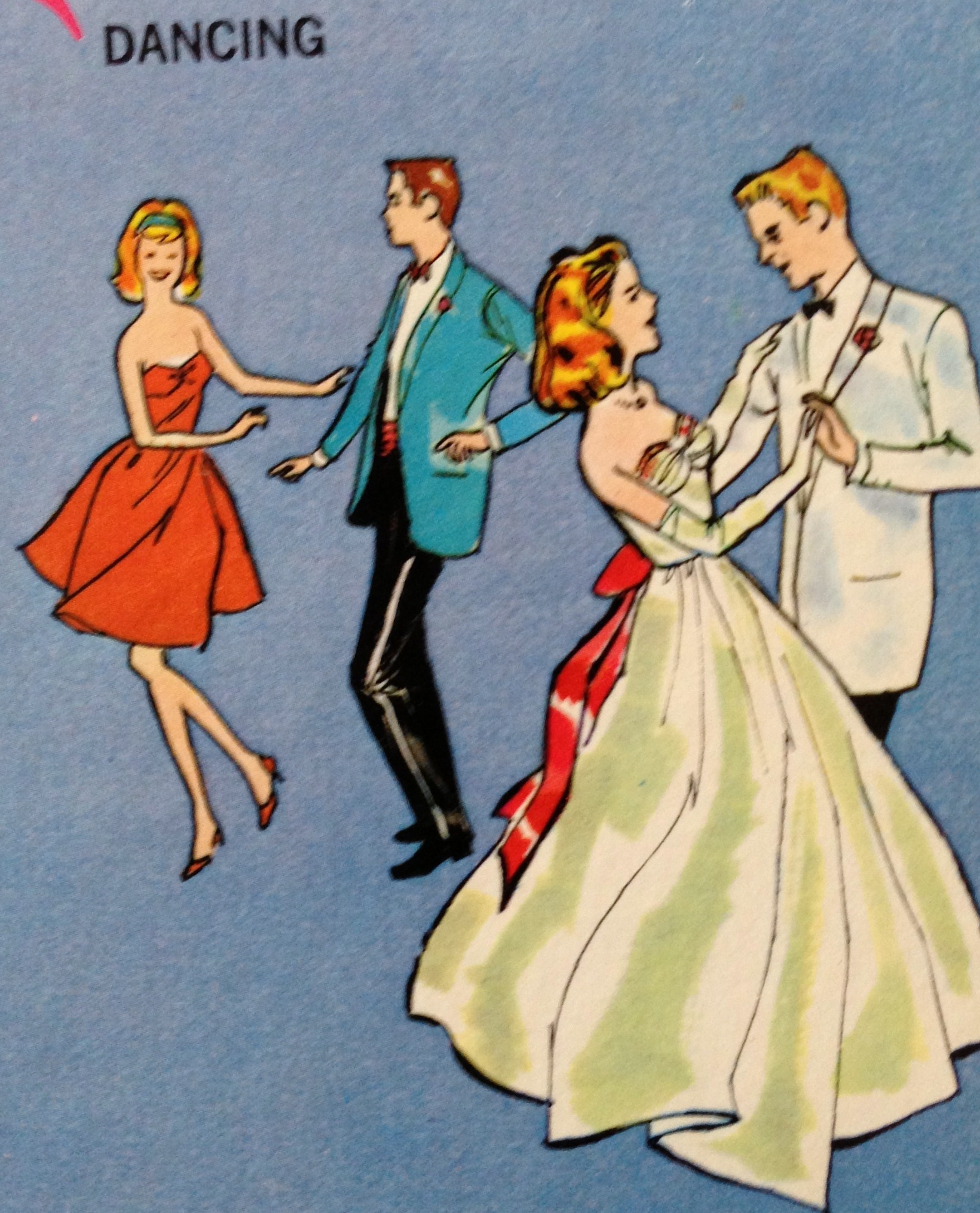
Patty is “losing control.” Cathy is dancing like a girl who “adores a minuet.”

If you enjoyed this entry, please read my previous Spin Again Sunday posts.